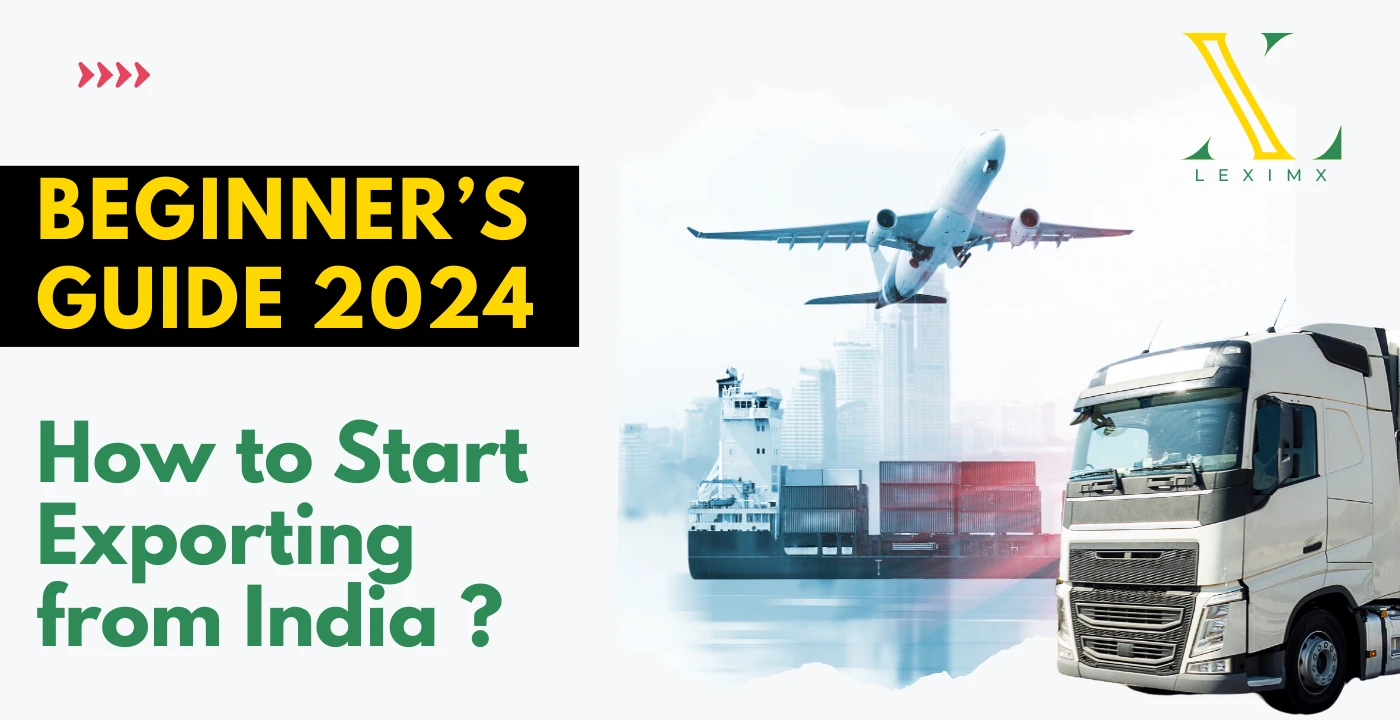
India is one of the world’s leading exporters, supplying everything from textiles and pharmaceuticals to leather and electronics. In FY 2023–24, India’s merchandise exports touched USD 437 billion, making it one of the fastest-growing export hubs in Asia. With demand for Indian goods rising in the GCC, Europe, and the US, now is the right time to enter the export business.
But how exactly do you start an export business from India? What documents are required, how do you find buyers, and what mistakes should you avoid? This guide covers everything a beginner needs to know.
Step 1: Register Your Business and Obtain an IEC Code
The foundation of any export business is legal registration. You must:
- Register your company as a proprietorship, partnership, or private limited firm.
- Open a current account with a bank authorized for foreign exchange.
- Apply for an Import Export Code (IEC) from the Directorate General of Foreign Trade (DGFT).
As of 2024, more than 65,000 new IEC codes are issued annually in India, reflecting the strong growth of new exporters. Without an IEC, customs will not allow shipments to move internationally.
Step 2: Select the Right Products for Export
Choosing the right product is critical. Focus on items with global demand and competitive pricing. Currently, Indian exporters are finding great success in:
- Construction materials and packaging supplies
- Electronics and electrical equipment
- Leather goods
- Pharmaceuticals and medicines
- Textiles, handicrafts, and furniture
According to India Brand Equity Foundation (IBEF), engineering goods, petroleum products, chemicals, pharmaceuticals, and gems & jewelry together account for nearly 60% of India’s total exports. New exporters can benefit by focusing on niche sectors within these industries.
Step 3: Identify Profitable Markets
The Gulf Cooperation Council (GCC) region is one of the best starting points for Indian exporters due to:
- USD 84 billion worth of Indian exports to GCC countries in FY 2022–23
- Strong cultural and trade ties under the India–GCC Free Trade Agreement negotiations
- Lower entry barriers compared to Western markets
Once you build experience, you can expand to Europe, North America, and Africa, which together make up over 50% of India’s export destinations
Step 4: Understand Export Documentation Requirements
Paperwork is one of the most important (and often confusing) parts of export. Beginners should prepare these documents:
- Commercial Invoice and Packing List
- Bill of Lading / Airway Bill
- Certificate of Origin
- Insurance Certificate
- Letter of Credit or Payment Terms
- Export License (for restricted goods)
According to DGFT, improper documentation is the reason for over 30% of delayed shipments among first-time exporters. Maintaining accuracy ensures smooth customs clearance and credibility with buyers.
Step 5: How to Find Genuine Buyers for Exports
One of the biggest challenges new exporters face is finding authentic international buyers. Common methods include:
- Government export promotion councils (like FIEO, APEDA, EPCs)
- International trade fairs and exhibitions
- Digital B2B trade platforms
Pitfall: A FIEO report highlights that fraudulent buyer activity is among the top three risks for new exporters.
This is where LeximX, a digital marketplace for import-export, makes a difference. By conducting multi-layer verification checks, LeximX connects GCC buyers with verified Indian exporters, ensuring trust and transparency in global trade.
Step 6: Plan Logistics and Payment Security
Choose your logistics partner based on cost, speed, and reliability. Sea freight is cheaper for bulk goods, while air freight is faster for high-value shipments.
For payments, use secure methods such as:
- Advance Payment
- Letter of Credit (LC)
- Escrow Accounts
According to EXIM Bank of India, nearly 25% of small exporters face delayed or partial payments in their first year. Using trusted payment systems is essential to avoid such setbacks.
Common Mistakes Beginners Must Avoid
- Exporting without proper market research
- Relying on unverified buyers
- Ignoring compliance and documentation rules
- Mispricing goods by excluding freight, duty, or insurance costs
Avoiding these pitfalls can save both time and money.
Final Thoughts
Starting an export business from India is not as complicated as it seems. With the right documents, clear strategies, and verified buyers, any entrepreneur can build a successful global trade business.
At LeximX, we are committed to making this journey easier. Through B2B matchmaking, virtual events, and verified trade connections, we help Indian exporters expand into GCC and beyond with confidence.
If you’re ready to start your export journey, LeximX is your trusted partner for authentic global trade.
 english


 F&B and Horeca
 Medical
 Printing & Packaging
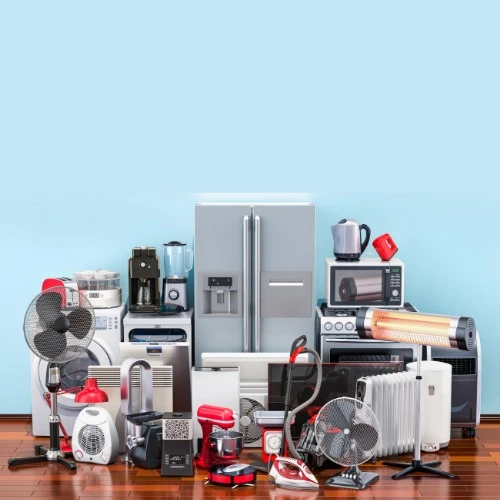 Electronic Components
 Hardware
 Construction
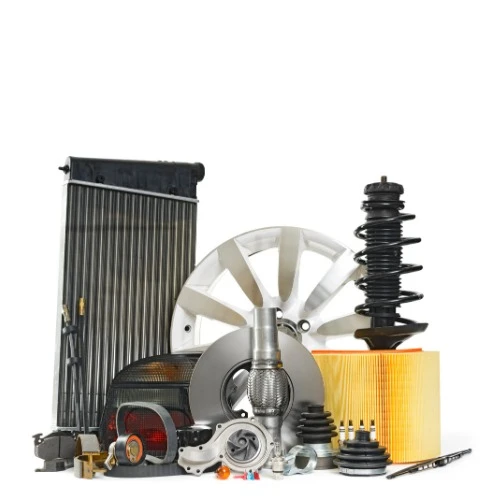
 Auto Vehicle & Accessories
 Business Services